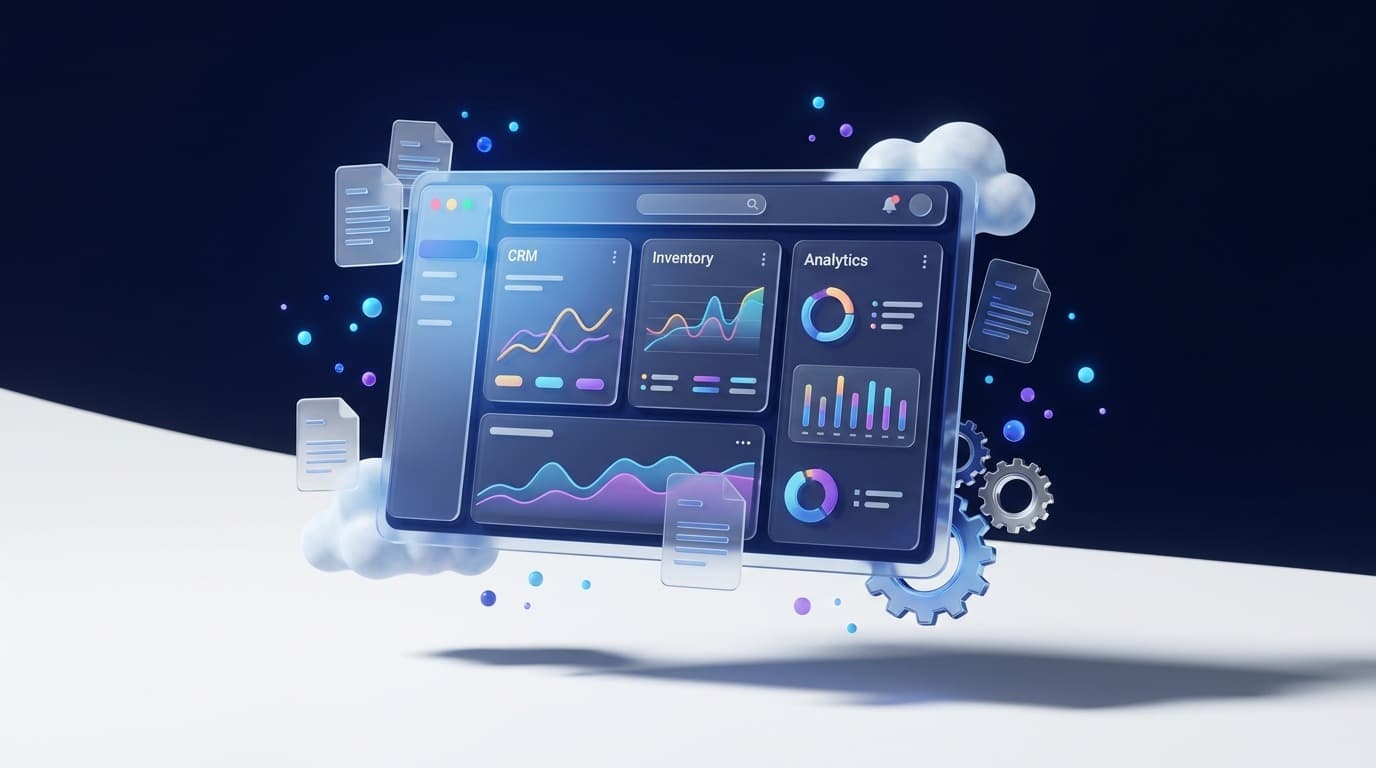
Cloud ERP runs inventory, production, finance, and compliance on hosted infrastructure you access from a browser or mobile app. For Indian manufacturers, that usually means no on-site server room, automatic GST rule updates, and one system that shop-floor supervisors and accountants can both use.
On-Premise vs Cloud ERP
On-premise ERP means you buy servers, hire IT staff, and schedule upgrades yourself. Cloud ERP is subscription-based: the vendor handles uptime, security patches, and GST e-invoicing rule changes. Most Indian mid-market plants cut IT overhead and go live in weeks instead of quarters when they move to cloud.
What Cloud ERP Must Cover for Indian Plants
A serious cloud ERP for India is not “accounting online.” You need GST e-invoicing and e-way bills, multi-warehouse stock, production/work orders, purchase approvals, and connectors to Tally or banks. If those live in separate tools, you still have the spreadsheet problem — just with better dashboards.
Key Benefits for Indian SMEs
Lower upfront cost, faster deployment (often 4–8 weeks for core modules), built-in GST compliance, and mobile access from factory, warehouse, or remote sites. Multi-entity groups also gain consolidated visibility without waiting for month-end Excel merges.
GST Compliance Built In
Infuro ERP supports GSTR workflows, e-invoicing IRN generation, and e-way bill creation tied to sales and dispatch. When GST Council rules change, updates ship with the cloud release — you do not wait for a local IT patch window.
Security, Data Residency, and Uptime
Ask vendors where data is hosted, how backups work, and who can access production data. Prefer role-based access, audit trails, and approval rules for inventory and finance changes. Cloud does not mean “anyone can edit anything” — governed workflows are the point.
How to Choose the Right Cloud ERP
Score vendors on Indian compliance depth, Tally/migration path, shop-floor mobile UX, connector catalog, and a credible go-live plan under 30–60 days. Run a pilot on one plant or warehouse before a full cutover, and measure stock accuracy and invoice cycle time — not slideware features.
Migration Path Without Freezing Operations
Typical sequence: masters and opening stock, then purchase + inventory, then sales/GST, then production. Keep a parallel month for accountants if they still close books in Tally. Infuro can sync operational transactions while finance teams finish the transition.
